Introduction
In the ever-evolving world of agriculture, smart farming is emerging as a critical solution to enhance productivity, optimize resource use, and promote sustainability. The integration of artificial intelligence (AI) in farming practices is not just a trend but a necessity for meeting the demands of modern agriculture. This article will explore how AI can be effectively implemented in farming, its key technologies, benefits, challenges, and future trends that will shape the agricultural landscape.
What is Smart Farming?
Smart farming refers to the use of modern technologies like AI, IoT (Internet of Things), robotics, and big data analytics to optimize farming practices. It combines traditional agricultural methods with cutting-edge technologies to improve yield, reduce costs, and enhance sustainability. AI in smart farming plays a pivotal role in enabling data-driven decisions, automating processes, and improving farm management.
Defining Smart Farming: A Holistic Approach to Agriculture
Smart farming is a holistic approach that merges technology with agriculture to create smarter, more efficient, and sustainable farming practices. By integrating AI and machine learning algorithms, farmers can automate routine tasks, monitor crop health, predict weather patterns, and reduce the environmental footprint of their operations.
The Rise of Artificial Intelligence (AI) in Agriculture
Artificial Intelligence has gained significant traction in agriculture due to its potential to revolutionize traditional farming. AI technologies enable farmers to make informed decisions by analyzing large volumes of data, identifying trends, and forecasting potential challenges. As AI continues to advance, its applications in agriculture are expanding, providing smarter and more efficient farming solutions.
AI as a Game-Changer for Modern Farming
AI has the power to change the way farming is practiced. From precision agriculture to predictive analytics, AI can enhance operational efficiency, optimize resource usage, and ultimately boost crop yield. By utilizing AI-powered systems, farmers can reduce waste, improve the quality of their crops, and contribute to environmental sustainability.
Overcoming Traditional Agricultural Challenges with AI
Traditional farming practices often struggle with inefficiencies like poor resource management, labor shortages, and environmental impacts. AI tackles these challenges by automating tasks, providing real-time data for decision-making, and optimizing processes like irrigation, planting, and pest control.
Benefits of AI in Smart Farming
AI-driven smart farming brings numerous benefits that contribute to the long-term success and sustainability of agricultural operations.
Increased Farm Productivity and Efficiency
One of the key benefits of AI in smart farming is its ability to optimize resource allocation. Through machine learning models, AI can analyze various data points, such as weather conditions, soil health, and crop status, to optimize planting schedules and resource allocation. This not only increases farm productivity but also minimizes resource wastage, ensuring a higher return on investment.
Reduced Costs
AI can significantly reduce costs in farming by automating labor-intensive tasks such as weeding, irrigation, and crop monitoring. Automated machinery like self-driving tractors and drones reduce the need for manual labor and improve efficiency. Furthermore, AI’s predictive capabilities help farmers avoid overuse of pesticides, water, and fertilizers, which can lead to substantial cost savings.
Improved Sustainability
Sustainability is at the heart of smart farming. AI can enable precision agriculture, where resources such as water, fertilizer, and pesticides are applied precisely where and when needed. AI technologies like precision irrigation systems help minimize water wastage, while machine learning algorithms analyze soil conditions to ensure the optimal use of fertilizers. These sustainable practices lead to healthier ecosystems and less environmental degradation.
Enhanced Food Quality and Safety
AI plays a crucial role in improving food safety by identifying diseases and pests before they can spread. Through image recognition and machine learning, AI systems can analyze crop images, detect early signs of disease, and recommend immediate corrective actions. Additionally, AI enhances traceability by monitoring the entire food supply chain, ensuring that consumers receive high-quality, safe food products.
Key AI Technologies for Smart Farming
The success of AI in smart farming hinges on several key technologies that empower farmers to make better decisions, automate processes, and optimize resource use.
Machine Learning in Agriculture
Machine learning (ML) enables farmers to harness the power of data by identifying patterns, predicting trends, and automating decision-making processes. The main applications of machine learning in smart farming include:
- Predictive Analytics: ML algorithms predict crop yields, forecast weather patterns, and provide early warnings of potential diseases and pests.
- Crop Yield Prediction: ML models analyze historical data, soil health, weather forecasts, and other relevant factors to predict future crop yields. This helps farmers plan for future production and optimize resource usage.
- Disease and Pest Detection: ML-based systems use historical data and images of crops to identify early signs of diseases or pest infestations, allowing farmers to take preventive measures before problems escalate.
Computer Vision for Field Monitoring
Computer vision, which enables machines to interpret and understand visual information, is another critical AI technology in agriculture. The key applications include:
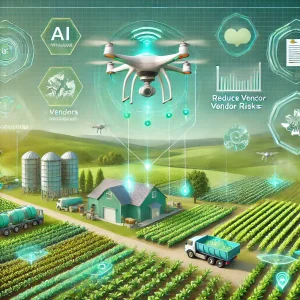
- Drone Imagery for Field Analysis: Drones equipped with cameras capture aerial images of fields, which are then analyzed to assess crop health, detect nutrient deficiencies, and identify areas that need attention.
- Automated Weed Control: Computer vision-powered robots can detect and remove weeds with precision, reducing the need for herbicides and minimizing environmental impact.
- Livestock Monitoring: AI-enabled computer vision systems can monitor livestock for signs of illness, abnormal behavior, or injury, allowing farmers to respond quickly and effectively.
Deep Learning for Advanced Analytics
Deep learning, a subset of machine learning, enables more complex data analysis and decision-making. In agriculture, deep learning applications include:
- Plant Disease Identification: Deep learning algorithms can analyze high-resolution images of plants to identify diseases and pests with high accuracy, enabling timely intervention.
- Soil Type Classification: Deep learning models can classify soil types based on images or data collected from sensors, allowing farmers to optimize planting decisions and resource allocation.
- Livestock Health Monitoring: Deep learning algorithms can analyze livestock images and videos to detect signs of health issues, such as lameness or malnutrition.
Robotics and Automation in Smart Farming
Robotics is revolutionizing farming by automating tasks that were previously labor-intensive. Some of the key robotic applications in smart farming include:
- Autonomous Vehicles: Self-driving tractors, harvesters, and sprayers perform field operations without the need for human intervention, improving efficiency and reducing labor costs.
- Robotic Harvesting: AI-powered robots are capable of harvesting fruits and vegetables with precision, reducing waste and ensuring high-quality produce.
- Precision Irrigation: AI-driven irrigation systems optimize water usage by analyzing real-time data on soil moisture, weather conditions, and crop needs.
Implementing AI in Your Farm
The implementation of AI in farming requires careful planning, data collection, and investment. Here are some key steps to implement AI effectively:
Data Collection and Management
Data is the foundation of AI-driven farming. To implement AI, you need to collect accurate and relevant data through sensors, drones, and other monitoring tools. Common data sources include:
- Soil Moisture Sensors: These sensors help monitor soil moisture levels, enabling efficient irrigation and preventing water waste.
- Weather Stations: Weather data is crucial for making informed decisions about planting, harvesting, and pest control.
- Livestock Sensors: These sensors track animal health metrics such as temperature, heart rate, and activity levels, providing real-time insights into livestock well-being.
Choosing the Right AI Solutions
When selecting AI solutions, it’s important to evaluate different platforms and technologies based on your farm’s specific needs. Consider factors such as:
- Farm Size and Crop Type: The AI solutions you choose should be tailored to your farm’s unique characteristics, such as the size of the land and the types of crops or livestock you manage.
- Budget and Funding: Implementing AI can be costly, so it’s essential to plan a budget that includes the cost of hardware, software, and data storage. Look for financial incentives or grants that support AI adoption in agriculture.
Building an AI-Ready Workforce
For AI to be effective, farmers and workers need to be equipped with the necessary skills. This includes:
- Training Programs: Offer training programs to educate farmworkers on AI tools, data analysis, and decision-making processes.
- Digital Literacy: Enhance the digital literacy of your workforce to ensure they can operate AI systems and interpret data effectively.
Challenges and Considerations
Implementing AI in smart farming is not without its challenges. While AI has the potential to revolutionize the agricultural landscape, several factors need to be addressed for its successful adoption and integration. The following are the key challenges and considerations farmers and stakeholders must be aware of:
1. Data Security and Privacy
Data is the backbone of AI in smart farming. With the increasing reliance on data-driven insights for decision-making, ensuring the privacy and security of this data is paramount. Sensitive farm data, including crop health information, soil conditions, weather forecasts, and livestock health metrics, is constantly being generated and stored.
- Data Protection: Farmers need to implement robust cybersecurity measures to protect their data from unauthorized access and cyberattacks. Data breaches could compromise sensitive information, leading to financial loss, reputational damage, and potentially disastrous impacts on farm operations.
- Data Sharing and Ownership: When utilizing third-party AI solutions or cloud-based platforms, it’s crucial to establish clear data ownership agreements. Farmers need to know how their data will be used, who owns the data, and whether it will be shared with external parties. Clear data-sharing protocols are essential to prevent misuse or exploitation of farm data by vendors or unauthorized entities.
- Compliance with Regulations: Governments around the world are increasingly enacting laws and regulations around data privacy. Farmers must ensure that their AI systems comply with local and international data protection regulations, such as the General Data Protection Regulation (GDPR) in Europe, to avoid penalties and legal challenges.
2. Ethical Considerations
The integration of AI into agriculture raises several ethical issues that need to be addressed:
- Impact on Farmworkers: The automation of farming tasks through AI-powered robotics and machinery could potentially lead to job displacement for farmworkers. As AI reduces the need for human labor in certain areas (e.g., weeding, harvesting, monitoring), it’s crucial to find ways to upskill workers and transition them into more strategic or technical roles. Ensuring a fair and just transition for the workforce is vital for maintaining social stability and support for AI adoption.
- Worker Well-being: While AI can help reduce manual labor, it’s essential to ensure that the implementation of AI systems does not compromise the well-being of workers. Automation should enhance the work environment, reduce physical strain, and improve safety rather than displacing people entirely.
- Environmental Impact: Though AI can help reduce waste and increase sustainability, there are concerns about the environmental cost of manufacturing, operating, and disposing of AI-powered equipment. For instance, the production of drones, sensors, and autonomous vehicles can have a significant carbon footprint. Furthermore, the e-waste generated from obsolete AI devices presents a challenge for sustainable disposal and recycling practices.
3. Access to Technology and Resources
While AI holds immense promise for transforming farming, equitable access to technology is one of the most significant barriers to its widespread adoption, particularly for smaller-scale farmers.
- Digital Divide: Not all farmers, especially those in rural or developing regions, have access to the necessary infrastructure, such as high-speed internet, cloud computing platforms, or advanced sensor technologies. Bridging the digital divide and providing affordable access to AI solutions is crucial for ensuring that the benefits of smart farming are universally available.
- High Initial Investment: The initial investment required to implement AI-driven systems can be prohibitively expensive, particularly for smallholder farmers. The costs associated with acquiring AI hardware (e.g., sensors, drones), software, and training can deter many farmers from adopting these technologies. To address this, governments and private sector stakeholders must explore funding options, subsidies, and grants that help offset these upfront costs.
- Knowledge Gaps: The implementation of AI technologies in agriculture requires a certain level of technical expertise. Farmers may not have the skills or knowledge to integrate AI systems effectively, which can hinder adoption. Therefore, it’s essential to develop educational programs, workshops, and support networks to ensure that farmers have the technical know-how to utilize AI technologies effectively.
4. Integration with Existing Agricultural Practices
Adopting AI in agriculture often requires a significant overhaul of existing farming practices and systems. The integration process can be complex, particularly in farms that rely on traditional methods or lack modern infrastructure.
- Compatibility Issues: Many traditional farms may struggle to integrate new AI technologies with their existing systems and equipment. Compatibility issues can arise when new AI solutions cannot communicate with legacy systems, leading to inefficiencies and potential data silos.
- Resistance to Change: Some farmers may be hesitant to adopt AI due to a lack of trust in new technologies or fear of the unknown. Overcoming this resistance requires effective change management strategies, including demonstrating the tangible benefits of AI, offering hands-on training, and fostering a culture of innovation in the agricultural community.
The Future of AI in Smart Farming
The future of AI in smart farming is incredibly promising, with continuous advancements in technology opening up new possibilities for improving efficiency, sustainability, and productivity. Several emerging trends are likely to shape the agricultural landscape in the coming years.
1. Emerging AI Technologies in Agriculture
AI technology is evolving rapidly, and future advancements promise to push the boundaries of what is possible in smart farming. Some of the key emerging AI technologies include:
- AI-Powered Predictive Maintenance: As farming equipment becomes increasingly automated, predictive maintenance powered by AI will become a game-changer. AI algorithms can analyze data from sensors embedded in tractors, harvesters, and irrigation systems to predict potential failures before they happen. This allows farmers to schedule maintenance proactively, reducing downtime and repair costs.
- Robotic Process Automation (RPA): The role of AI in automating farming processes will expand beyond harvesting and weeding. Robotic process automation will allow farms to streamline administrative tasks such as inventory management, supply chain logistics, and farm documentation, improving overall farm management efficiency.
- Advanced AI for Crop Breeding: AI will continue to revolutionize crop breeding by analyzing genetic data to identify traits that are beneficial for specific growing conditions. This will lead to the development of more resilient, higher-yielding crops that can thrive in diverse climates, thereby improving food security.
2. Blockchain Technology for Agricultural Transparency
Blockchain is another disruptive technology that will work hand-in-hand with AI to improve transparency and traceability in agriculture.
- Food Traceability: Blockchain can track the journey of food from the farm to the consumer, providing an immutable record of where food comes from and how it was produced. Coupled with AI, blockchain will offer unprecedented levels of transparency in the food supply chain, making it easier to verify the authenticity and quality of food products.
- Supply Chain Optimization: Blockchain also allows for real-time tracking of products in the supply chain, making it easier to detect and address inefficiencies. With AI algorithms analyzing this data, farms can optimize their supply chain operations, reduce waste, and improve delivery times.
3. Agritech Startups Driving Innovation
The rise of agritech startups is accelerating innovation in AI-driven farming solutions. These startups are developing a wide range of solutions, from autonomous tractors to AI-powered crop health monitoring tools.
- New AI Solutions: Agritech startups are constantly introducing new AI-powered tools that address the specific needs of farmers. These innovations include precision farming tools that use satellite imagery and AI analytics to monitor soil health, crop growth, and pest activity in real time.
- Investment and Collaboration: As venture capital funding for agritech startups continues to grow, collaborations between tech companies and farmers will drive further innovation. Startups will work closely with farmers to develop customized AI solutions tailored to their specific needs, creating a more personalized and efficient farming experience.
4. AI and Sustainable Agriculture
Sustainability will be a key focus for the future of AI in farming. With growing concerns over climate change and resource depletion, AI technologies are being designed to help farmers adopt more sustainable practices.
- Precision Agriculture for Sustainability: AI’s ability to provide precise data on soil conditions, weather patterns, and crop health will enable farmers to make more informed decisions about how to use resources. This will reduce the use of fertilizers, pesticides, and water, leading to more sustainable farming practices that minimize environmental impact.
- Reducing Food Waste: AI will also play a critical role in reducing food waste. By optimizing supply chains and predicting market demand, AI systems can help farmers ensure that their produce reaches consumers before it spoils, reducing losses and promoting sustainability across the agricultural sector.
5. AI for Global Food Security
As the global population continues to grow, AI will be instrumental in addressing the challenges of food security. The integration of AI in farming can increase agricultural productivity, improve resource efficiency, and reduce the environmental impact of farming practices.
- Meeting Global Demand: AI-powered precision farming can help farmers increase yields while using fewer resources, which is essential to meeting the growing demand for food. This will be particularly important as climate change affects agricultural productivity in many parts of the world.
- Helping Developing Countries: AI can also play a crucial role in enhancing food security in developing countries by providing farmers with affordable and accessible tools to improve productivity. By leveraging AI solutions, smallholder farmers in developing regions can increase yields, reduce losses, and contribute to the global fight against hunger and malnutrition.
Conclusion
The future of AI in smart farming is filled with immense possibilities. By addressing challenges related to data security, ethical considerations, and equitable access to technology, AI can unlock unprecedented opportunities for farmers worldwide. From predictive maintenance and robotic automation to AI-powered crop breeding and blockchain traceability, the next generation of AI technologies will continue to reshape agriculture, making it more efficient, sustainable, and productive. By embracing these innovations, the agricultural industry can rise to meet the growing global demand for food while safeguarding the planet for future generations.